
About Us
Affordable Irrigation Repair
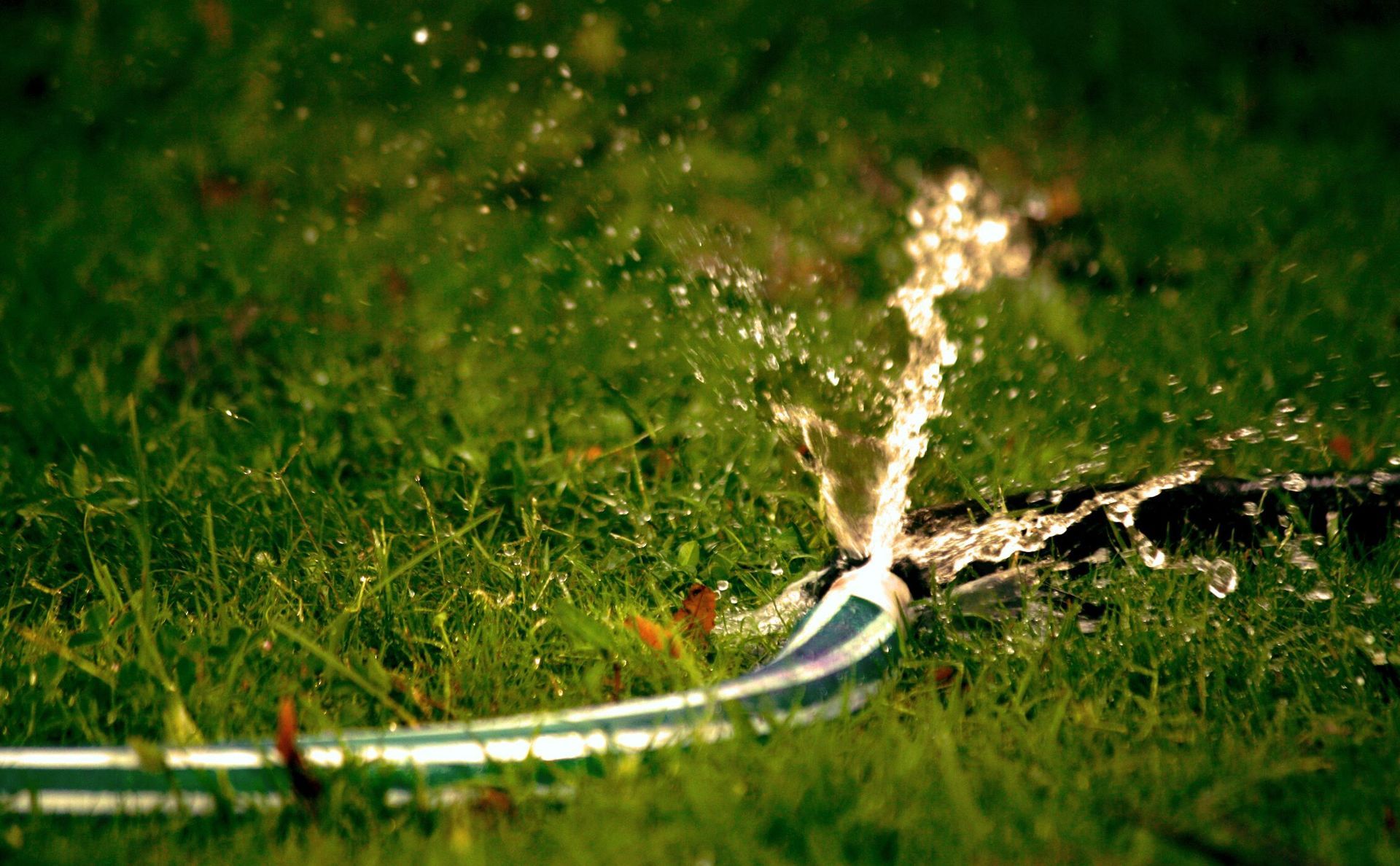
A healthy lawn depends on water reaching the right places at the right time. When an underground irrigation line cracks, separates, or clogs, your sprinkler system may still turn on, but the results can get messy fast. One area may stay soggy enough to host a frog convention, while another section turns dry and patchy.
That is why
irrigation line repair is such an important part of keeping your lawn and landscape in good shape. Damaged lines can waste water, raise utility bills, weaken sprinkler pressure, and create long-term damage beneath the surface. Understanding the signs of a broken line and knowing when to schedule professional
irrigation system service can help you avoid bigger repair costs later.
Common Signs You Need Irrigation Line Repair
Underground irrigation problems are not always obvious at first. Since most pipes are hidden below the lawn, many homeowners notice the symptoms before they know the cause. If your system suddenly behaves differently, irrigation line repair may be needed.
Watch for warning signs such as:
- Wet or mushy lawn areas: A broken line can release water underground and create soft spots even when it has not rained.
- Low sprinkler pressure: Cracked or leaking pipes can reduce water flow before it reaches the sprinkler heads.
- Unexpected water bill increases: Hidden leaks may waste water every time the system runs.
- Dry patches near working sprinklers: A damaged line can prevent enough water from reaching certain areas.
- Water bubbling from the ground: This is often a clear sign that an underground line has failed.
Professional irrigation pipe repair helps locate the damaged area and restore proper water movement through the system. Guessing where the leak is can turn a small repair into a backyard digging adventure nobody asked for.
A proper
irrigation system service appointment can also identify whether the issue is caused by a broken pipe, faulty valve, pressure problem, or damaged fitting. Finding the actual source matters because replacing the wrong part does not solve the problem.
What Causes Irrigation Pipes to Break?
Irrigation lines are built to last, but they are not indestructible. Over time, underground pipes deal with soil movement, pressure changes, root growth, and regular system use. Eventually, those stresses can lead to leaks or breaks that require irrigation pipe repair.
Common causes include:
- Shifting soil: Texas soil can expand and contract, placing pressure on buried irrigation lines.
- Tree roots: Roots may grow around pipes, squeeze fittings, or crack older lines.
- Accidental digging: Fence installation, landscaping projects, and yard work can damage shallow lines.
- Aging materials: Older systems may have brittle pipes or worn connections.
- Excess water pressure: High pressure can weaken fittings and increase the chance of leaks.
Not every line break looks dramatic. Sometimes a small crack slowly releases water for weeks before visible symptoms appear. That is why regular irrigation system service is so helpful. Technicians can spot pressure changes, soggy zones, or uneven sprinkler performance before the damage gets worse.
Professional
irrigation line repair is especially important when the problem affects multiple zones or causes repeated pressure loss. These issues often point to something deeper than a single broken sprinkler head.
How Professional Irrigation Line Repair Works
A good repair starts with diagnosis, not guesswork. During professional irrigation line repair, technicians inspect the system, test zones, check pressure, and look for signs of underground water loss. The goal is to find the exact problem without tearing up more of the lawn than necessary.
The repair process may include:
- System testing: Each zone is activated to identify pressure changes, leaks, or performance issues.
- Leak location: Technicians look for wet areas, bubbling soil, or unusual flow patterns.
- Careful excavation: The damaged section is uncovered with minimal disruption.
- Pipe replacement: Broken pipe, cracked fittings, or failed connectors are repaired or replaced.
- System retesting: The zone is tested again to confirm proper flow and pressure.
Professional irrigation pipe repair also helps prevent repeat failures. If a line broke because of pressure problems, root interference, or improper installation, simply patching the pipe may not be enough. A trained technician can recommend adjustments that improve long-term performance.
Reliable
irrigation system service may also include checking valves, sprinkler heads, and controller settings after the repair. This ensures the entire system works together instead of fixing one problem while another waits quietly underground.
Why Timely Irrigation Pipe Repair Protects Your Lawn
Delaying irrigation pipe repair can create more problems than many homeowners expect. A hidden leak may seem minor, but irrigation systems move a lot of water. Even a small damaged line can waste gallons every time the sprinklers run.
Fast repairs can help protect:
- Your lawn: Too much water can drown grass roots, while low pressure can leave other areas dry.
- Your soil: Constant leaking may cause erosion, settling, or muddy patches.
- Your water bill: Leaks can quietly increase monthly usage.
- Your sprinkler system: Pressure issues can strain valves, heads, and other components.
- Your landscape investment: Plants, beds, and turf all depend on consistent watering.
The sooner irrigation line repair is completed, the easier it is to prevent lawn damage and water waste. Waiting until the yard looks like a swamp with sprinkler heads is rarely the budget-friendly option.
Routine
irrigation system service can also help catch early problems before they turn into major repairs. If your system is older, frequently losing pressure, or producing uneven coverage, a professional inspection is worth scheduling before peak watering season.
Call Affordable Irrigation Repair for Professional Irrigation Line Repair in Austin, TX and Beyond
If your sprinkler system has low pressure, soggy lawn areas, unexplained dry spots, or rising water bills, Affordable Irrigation Repair can help. We provide professional irrigation line repair, irrigation pipe repair, and complete irrigation system service for homeowners and businesses in Austin, Round Rock, Georgetown, Hutto, Jarrell, Liberty Hill, Salado, Temple, Kyle, Taylor, Killeen, and surrounding Central Texas communities.
Our team also offers
irrigation inspection,
backflow testing, and
outdoor drainage services to help protect your landscape and improve water management across your property. Call Affordable Irrigation Repair today at
Austin:
(512) 760-5994 or
Cypress:
(832) 514-1032 to schedule professional irrigation repair services with a local team that knows how to keep Central Texas sprinkler systems working properly.
Frequently Asked Questions
How do I know if I need irrigation line repair?
You may need irrigation line repair if you notice soggy lawn areas, low sprinkler pressure, dry spots, bubbling water, or a sudden increase in your water bill. These symptoms often point to underground leaks or damaged pipe sections.
Can I repair an irrigation pipe myself?
Small above-ground issues may be manageable, but underground irrigation pipe repair is best handled by professionals. The damaged section must be located accurately, repaired correctly, and tested to ensure pressure and water flow are restored.
How long does irrigation line repair usually take?
Repair time depends on the location and severity of the damage. Simple repairs may be completed quickly, while deeper leaks or complicated pipe layouts may require more time for locating, excavation, and testing.
What causes irrigation lines to leak underground?
Common causes include shifting soil, tree roots, aging pipe materials, high water pressure, poor installation, and accidental damage from digging or landscaping work. Regular irrigation system service can help identify risks early.
Should I schedule irrigation service after a pipe repair?
Yes. After irrigation line repair, a full system check helps confirm that valves, sprinkler heads, pressure, and controller settings are working properly. This helps prevent uneven watering and future system problems.
Recent Posts


