
About Us
Affordable Irrigation Repair
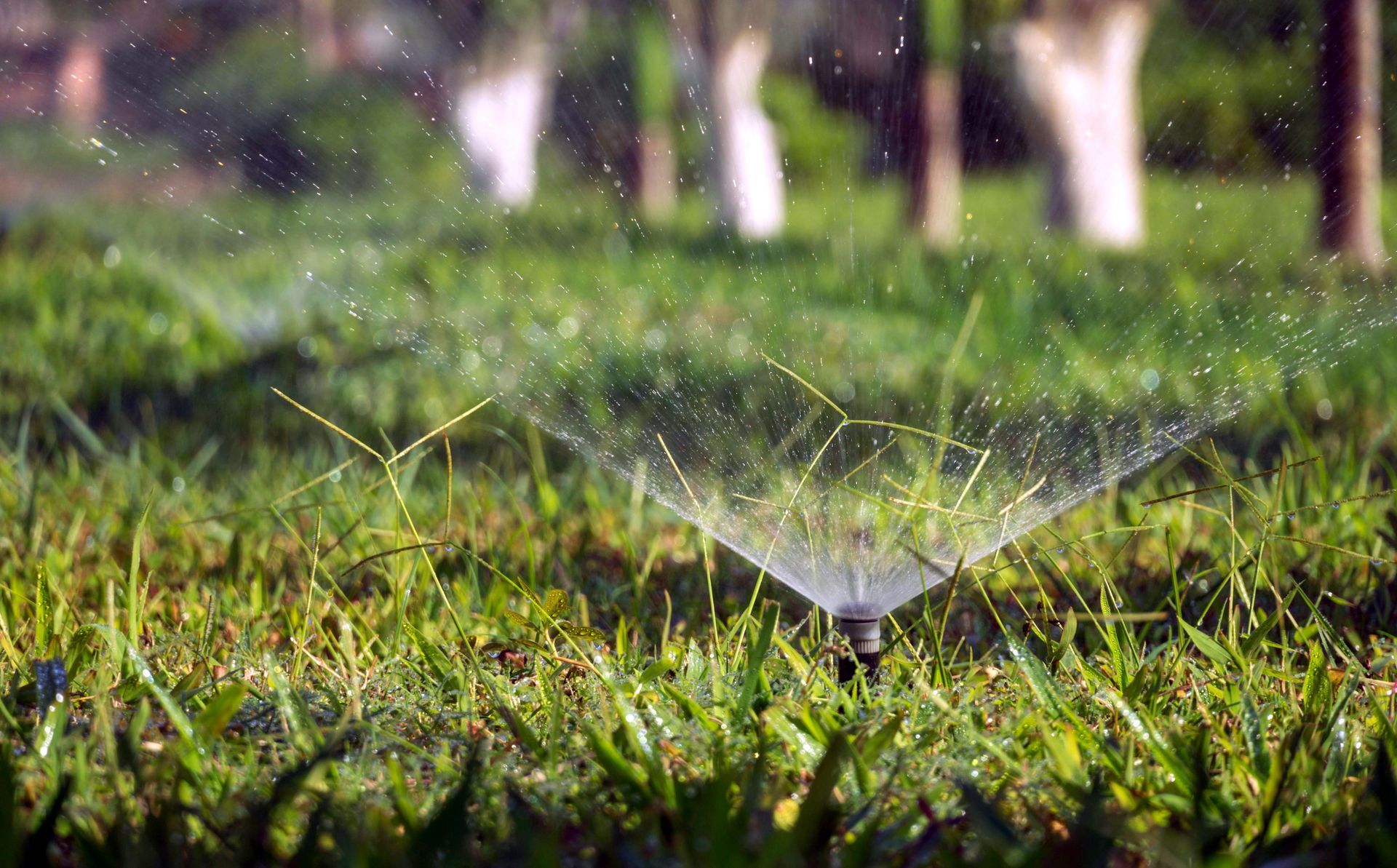
Landscapes have a habit of growing beyond their original plans. A homeowner installs a new flower bed, expands the lawn, adds a vegetable garden, or creates an outdoor living space. Suddenly, the irrigation system that once covered everything perfectly is struggling to keep up. That is where an irrigation zone addition can make a significant difference.
When you
add irrigation zone coverage to an existing system, you create more flexibility, improve watering efficiency, and help ensure every part of the landscape receives the right amount of water. A properly planned
irrigation system expansion can also prevent overwatering, reduce runoff, and improve the overall health of your property. Understanding how new zones work and when they are needed can help homeowners make smarter decisions as their landscapes evolve.
Why You May Need to Add an Irrigation Zone
Most irrigation systems are designed around the layout of a property at the time of installation. Over the years, however, landscaping often changes. New plants, larger lawns, and outdoor improvements can create watering needs that the original system was never designed to handle.
A professional irrigation zone addition allows different areas of the landscape to receive customized watering schedules. Instead of forcing every section of the property to receive the same amount of water, zones can be tailored to specific conditions and plant types.
Common reasons to add irrigation zone coverage include:
- New flower beds: Different plants often require different watering schedules than grass.
- Lawn expansion: Additional turf areas need dedicated coverage to avoid dry spots.
- Outdoor living spaces: Landscape redesigns may change sprinkler placement needs.
- Tree and shrub installations: Established trees and decorative landscaping benefit from separate watering control.
- Water conservation goals: Separating zones can improve efficiency and reduce waste.
One common mistake homeowners make is extending an existing zone beyond its capacity. While it may seem like a simple solution, overloaded zones often lead to poor pressure, uneven coverage, and sprinkler performance issues.
A properly designed
irrigation system expansion ensures each zone receives adequate water flow without sacrificing the performance of the rest of the system. The goal is not simply adding more sprinklers. The goal is creating a balanced irrigation system that supports the entire landscape effectively.
Planning an Irrigation System Expansion for Long-Term Success
Before beginning any irrigation system expansion, it is important to evaluate the existing system. Not every irrigation setup can support additional zones without modifications. Water pressure, pipe size, controller capacity, and valve availability all play important roles in determining what is possible.
Professional irrigation technicians typically begin by assessing:
- Water supply capacity: The system must have enough flow to support additional zones.
- Controller availability: The controller needs available stations for new zone programming.
- Valve configuration: New zones usually require dedicated valves.
- Landscape layout: Plant types, slopes, and sun exposure influence zone design.
- Coverage requirements: Proper spacing ensures efficient watering.
A successful irrigation zone addition is not just about adding equipment. It involves creating a watering strategy that supports the landscape's unique needs.
For example, a flower bed with decorative plants may require shorter, more frequent watering cycles than a nearby lawn. Similarly, shaded areas often need less water than sections receiving direct sunlight throughout the day.
A thoughtful irrigation system expansion helps avoid common issues such as:
- Overwatering
- Runoff
- Poor pressure
- Uneven coverage
- Increased water waste
Planning also helps homeowners avoid future problems as landscapes continue to mature. A system designed with growth in mind can adapt more easily to future changes and additions.
What Happens During an Irrigation Zone Addition?
Many homeowners are surprised to learn that adding a new zone involves much more than installing a few sprinkler heads. A professional irrigation zone addition requires careful integration with the existing system to maintain proper performance and efficiency.
The process typically begins with designing the new zone based on landscape needs. Technicians determine sprinkler placement, pipe routing, valve locations, and controller programming requirements.
A typical project may include:
- Site evaluation: Reviewing the existing irrigation layout and landscape conditions.
- Zone design: Determining the most efficient coverage pattern.
- Pipe installation: Connecting new lines to the irrigation system.
- Valve installation: Creating independent control for the new zone.
- Controller programming: Adding watering schedules and system settings.
- Performance testing: Verifying pressure, coverage, and operation.
One advantage of choosing a professional to add irrigation zone coverage is ensuring the new section works seamlessly with the rest of the system. Poorly designed additions can create pressure issues that affect multiple zones and lead to uneven watering.
A properly installed irrigation system expansion allows property owners to maintain healthier landscapes while reducing the need for constant manual adjustments. The result is a system that works more efficiently and requires less guesswork.
And unlike dragging hoses around the yard every weekend, an automated irrigation zone tends to be much better at remembering its schedule.
How New Irrigation Zones Improve Water Efficiency
One of the biggest benefits of an irrigation zone addition is improved water management. Different areas of a property rarely have identical watering requirements. Lawns, flower beds, shrubs, gardens, and trees all respond differently to irrigation.
When property owners add irrigation zone coverage, they gain more control over how water is applied across the landscape.
Benefits of separate irrigation zones include:
- Targeted watering: Each area receives the amount of water it actually needs.
- Reduced runoff: Water is applied more efficiently.
- Lower utility costs: Less water waste often results in lower bills.
- Healthier plants: Proper watering supports stronger root systems.
- Greater scheduling flexibility: Different zones can run at different times.
A professional irrigation system expansion can also support future landscaping improvements. Whether you plan to install additional flower beds, expand the lawn, or redesign outdoor spaces, having flexible irrigation zones makes future adjustments much easier.
Water efficiency is not simply about using less water. It is about using water more effectively. A properly designed irrigation system delivers water where it belongs instead of wasting it on sidewalks, driveways, or areas that do not need additional moisture.
Ready to Add a New Irrigation Zone? Contact Affordable Irrigation Repair in Austin and Cypress, TX
If your landscape has outgrown its current irrigation system, Affordable Irrigation Repair can help. Our team specializes in professional irrigation zone addition services, helping homeowners and businesses complete efficient irrigation system expansion projects that improve watering performance and landscape health throughout Central Texas.
In addition to helping customers
add irrigation zone coverage, we also provide
irrigation repair,
backflow testing, and
outdoor drainage services to keep irrigation systems operating safely and efficiently. Contact Affordable Irrigation Repair today at
Austin:
(512) 760-5994 or
Cypress:
(832) 514-1032 to schedule service in Austin, Round Rock, Georgetown, Hutto, Jarrell, Liberty Hill, Salado, Temple, Kyle, Taylor, Killeen, and surrounding communities.
Frequently Asked Questions
How do I know if I need an irrigation zone addition?
You may need an irrigation zone addition if your landscape has expanded, certain areas are not receiving enough water, or existing zones are overloaded and struggling to maintain proper pressure and coverage.
Can I add a new zone to any irrigation system?
Not always. Before you add irrigation zone coverage, factors such as water pressure, controller capacity, available valves, and system design must be evaluated to ensure compatibility.
How long does an irrigation system expansion take?
The timeline depends on the size and complexity of the project. Smaller residential additions may be completed relatively quickly, while larger properties may require additional planning and installation work.
Will adding a new zone increase water usage?
Not necessarily. A properly designed irrigation system expansion often improves efficiency by delivering water more accurately, which may reduce waste and improve overall water management.
Can new zones be added for flower beds and gardens only?
Yes. Many homeowners choose to add irrigation zone coverage specifically for gardens, flower beds, trees, shrubs, or newly landscaped areas that require different watering schedules than the lawn.
Recent Posts


